
RAIAN Guide
Glucose in baking: what it is for and how to use it
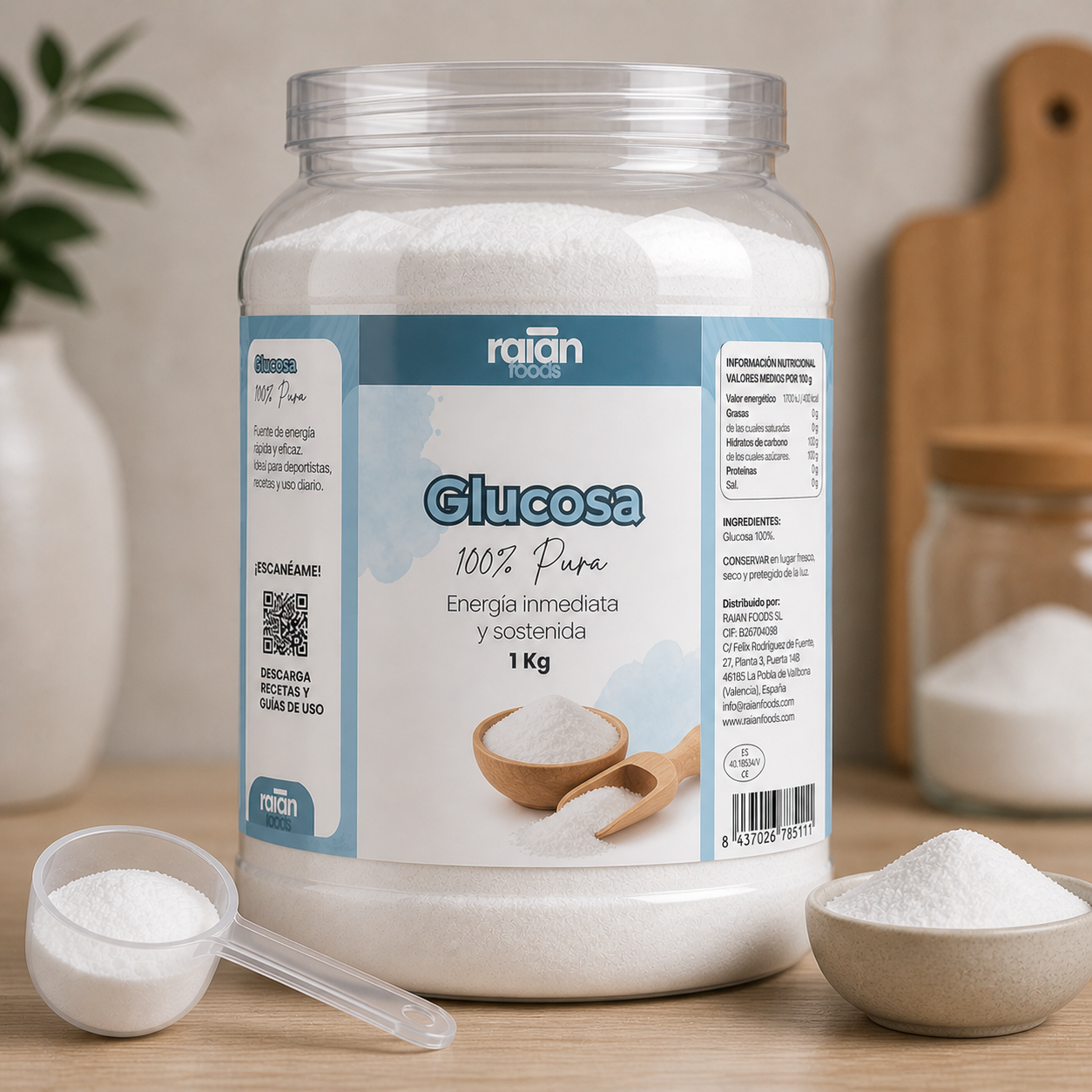
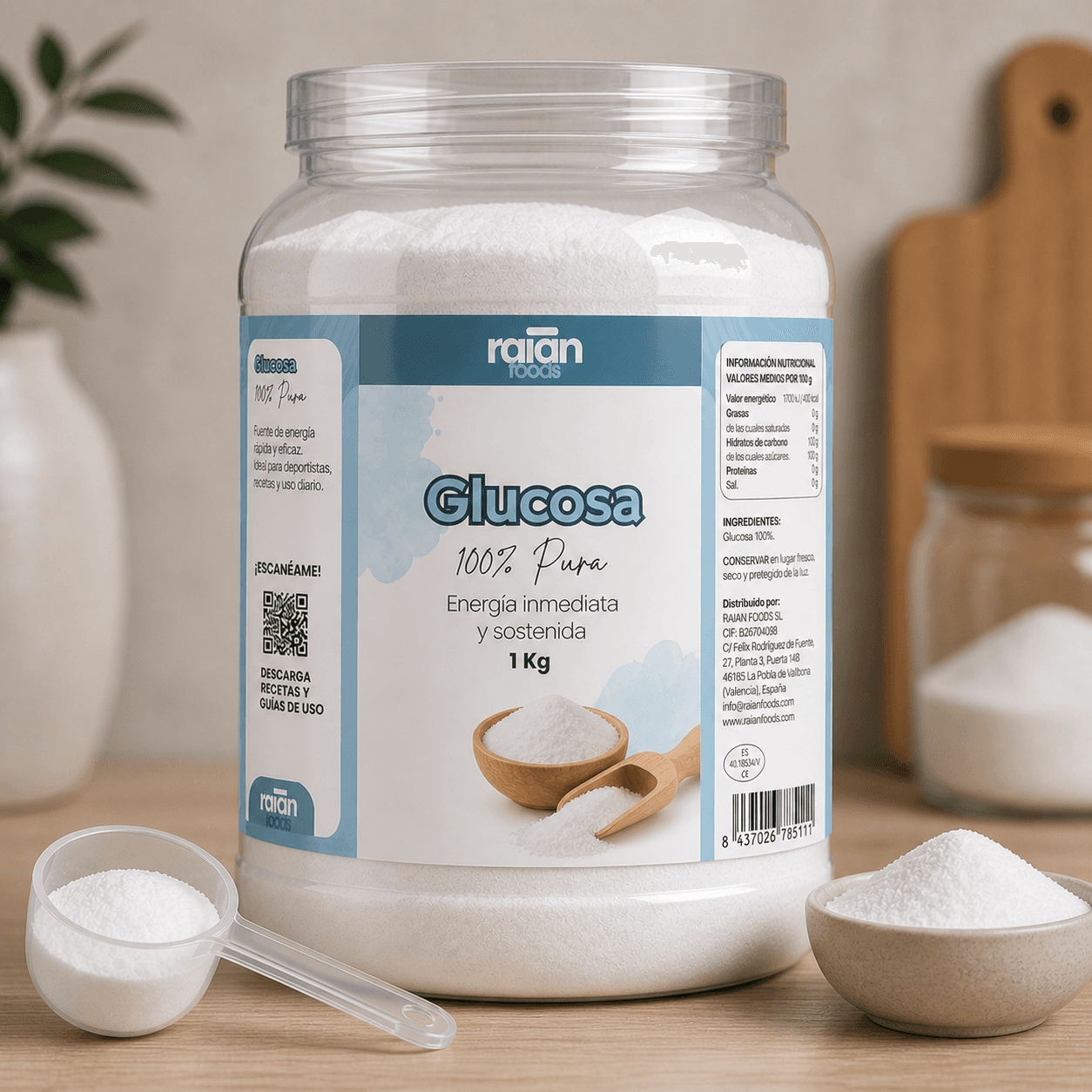
Glucose is a key ingredient in baking and confectionery: it adds smoothness and prevents sugar from crystallising in many preparations. In this guide we explain what it is for and how to make the most of it.
Point 1
What glucose is for
In baking, glucose is valued above all for its anti-crystallising effect: it helps to keep sugar from forming crystals, which results in smoother sweets, more satiny ganaches and creamier ice creams.
It also adds texture and shine to coatings and fillings, and improves the keeping of some preparations.
Point 2
Common uses
It is very common in soft sweets, chocolate ganaches, creamy no-churn ice creams, soft nougat and lemon curd, among other preparations.
In each case, the recipe will indicate the right proportion relative to the sugar and the other ingredients.
Point 3
How to use it
It is blended into the mixture during preparation, in the order the recipe indicates. It should be weighed precisely, as small variations affect the final texture.
Close the package well after each use to keep its quality.
Frequently asked questions
Common questions.
What is glucose for in baking?
It adds smoothness and helps to prevent sugar from crystallising in sweets, ganaches, ice creams, nougats and other sweet preparations.
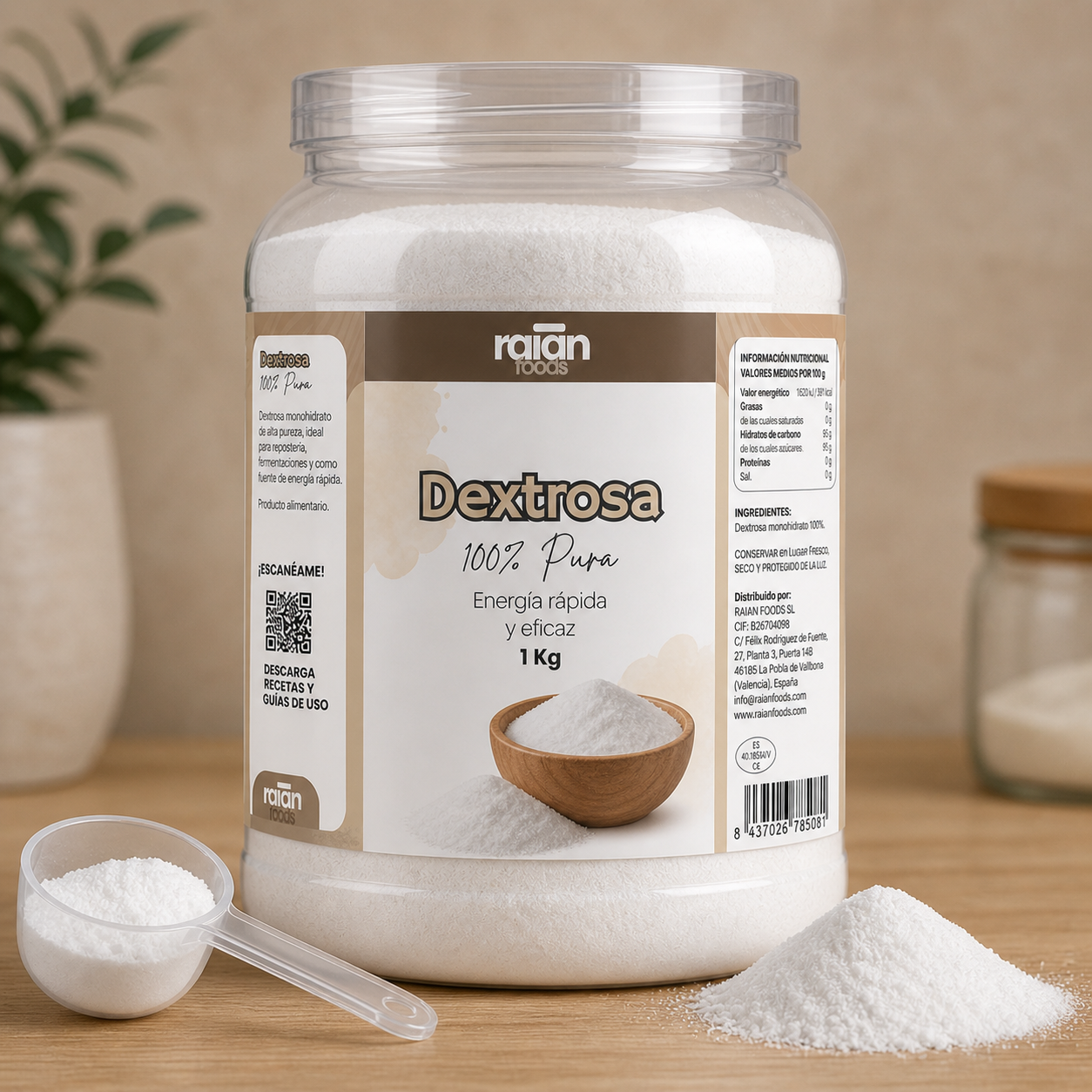
Are glucose and dextrose the same?
They are related, but they are not used in the same way. In baking, glucose is valued mainly for its anti-crystallising effect and the texture it provides.
How is glucose used?
As the recipe indicates: it is blended into the mixture during preparation. The package should be well closed after each use.
RAIAN catalogue
Products related to this guide.
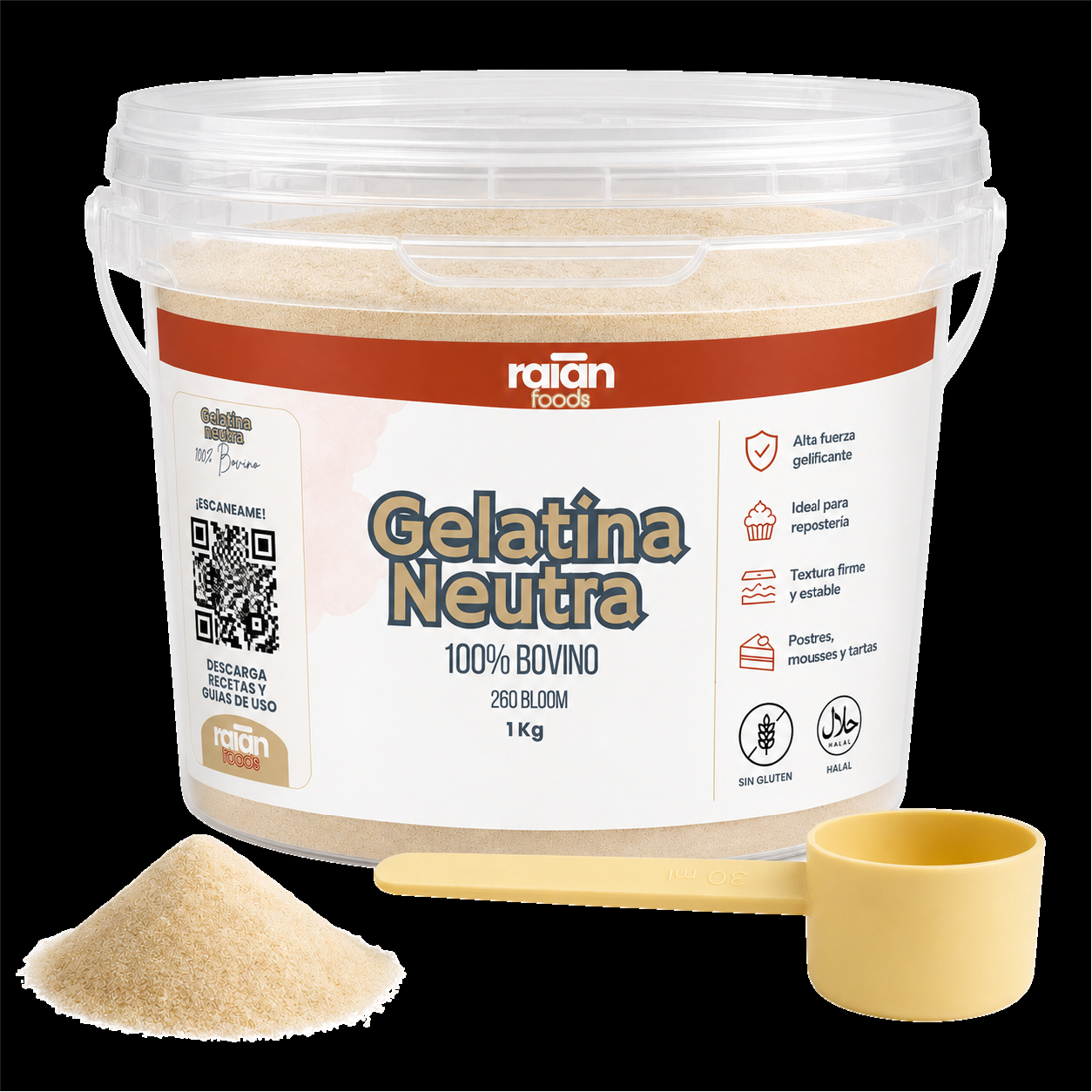
Neutral bovine gelatine
Neutral bovine gelatine for recipes, desserts, culinary preparations and general food use.
NeutraOrigen bovino260 Bloom18 Mesh
Ready to get started?